
Investing in Precious Metals through an IRA: A Comprehensive Guide
Investing in Precious Metals through an IRA: A Comprehensive Guide
In recent years, the investment landscape has evolved significantly, with more individuals looking to diversify their retirement portfolios. One of the increasingly popular strategies is to invest in precious metals through Individual Retirement Accounts (IRAs). This article aims to provide a theoretical framework for understanding which precious metals are allowed in IRAs, the benefits of investing in these assets, and the regulations governing them.Understanding Precious Metals IRAs
A Precious Metals IRA, also referred to as a gold IRA, allows investors to hold physical metals in a tax-advantaged retirement account. This is a compelling option for those looking to hedge against inflation and market volatility. Precious metals such as gold, silver, platinum, and palladium can be included, provided they meet specific fineness standards established by the IRS. 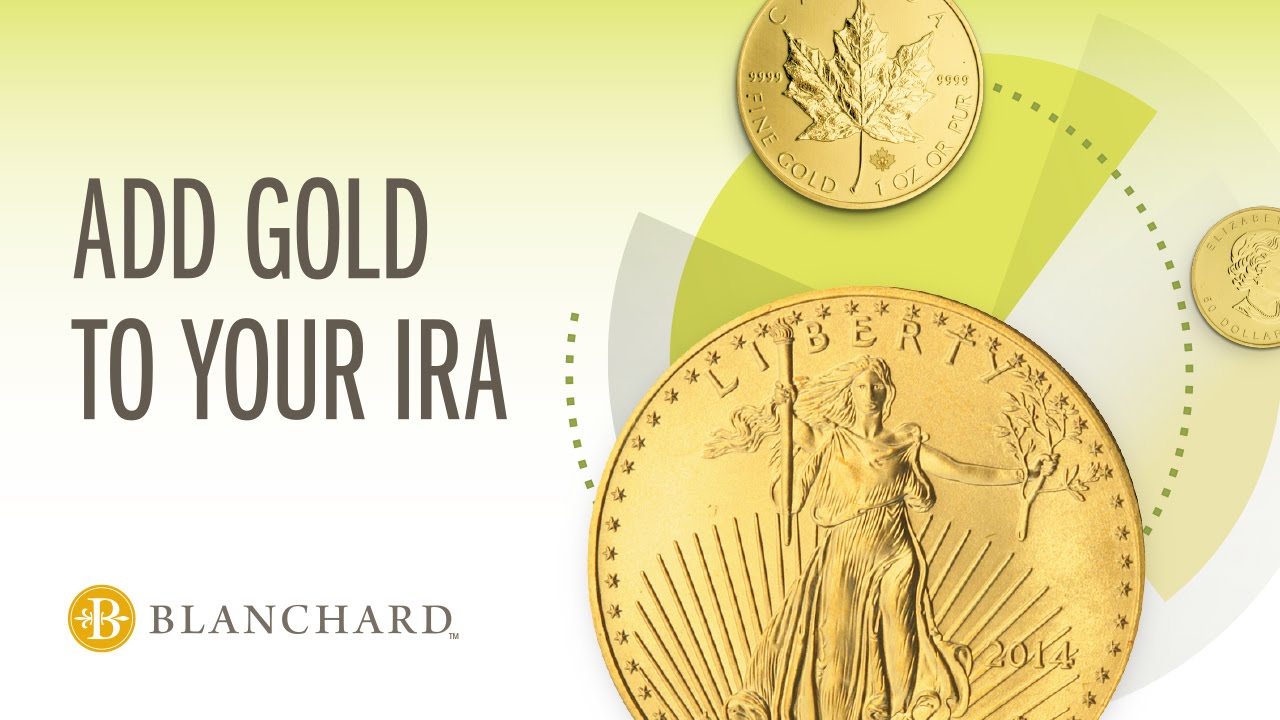
Precious Metals Eligible for IRA Investment
1. Gold
Gold is perhaps the most well-known and sought-after precious metal. To be eligible for inclusion in an IRA, gold must have a purity of 99.5% or higher. Acceptable forms include coins such as the American Eagle, Canadian Maple Leaf, and Austrian Philharmonic, as well as bars produced by approved refiners and assayers.
2. Silver
Silver also holds a significant place among precious metals investments. Eligibility requirements dictate that silver must have a minimum purity of 99.9%. Acceptable forms include the American Silver Eagle coin, Canadian Silver Maple Leaf, and various bars from certified refiners. These coins and bars provide a tangible asset that mirrors the value of silver in the market.

3. Platinum
Platinum coins and bars can be included in an IRA as long as they have a purity of 99.95% or higher. Notable investment options include the American Platinum Eagle and the Canadian Platinum Maple Leaf. Like gold and silver, platinum can provide a substantial hedge against market downturns.
4. Palladium
Palladium is often overlooked but has gained attention in recent years due to its essential role in various industrial applications, including emissions control in the automotive sector. best gold ira custodians Similar to platinum, palladium must have a purity of 99.95% to be eligible for IRA investment. The American Palladium Eagle is a recognized coin that meets IRS standards.Benefits of Investing in Precious Metals through an IRA
Investing in precious metals via an IRA can offer several advantages:Diversification
One of the primary benefits of adding precious metals to an IRA is diversification. Traditional assets like stocks and bonds can be impacted by economic downturns. Precious metals typically hold their value in these situations, making them valuable diversifiers within a portfolio.
Hedge Against Inflation
Precious metals have historically been viewed as a reliable hedge against inflation. Unlike fiat currencies, which can lose purchasing power over time, precious metals tend to retain their intrinsic value, making them an attractive option for investors concerned about rising prices.Tax Advantages
Investing through an IRA offers engaging tax advantages. Gains on precious metals held in a traditional IRA are not subject to tax until distributions are made during retirement, allowing for tax-deferred growth. Additionally, Roth IRAs provide the potential for tax-free growth, making them another appealing option for investing in precious metals.
Regulations Governing Precious Metals IRA Investments
While investing in precious metals can be highly advantageous, it’s essential to understand the regulations that govern these assets to ensure compliance and maximize benefits.
Custodianship
The IRS requires that precious metals held in an IRA must be stored in a qualified custodian or depository. This ensures the metals are secure and meet regulatory standards. Investors cannot take physical possession of the metals, as doing so may lead to penalties and taxes.Fineness Standards
To qualify for IRA investment, each precious metal has strict fineness standards. Any coins and bars added to an IRA must meet these requirements to ensure they are deemed acceptable for tax-advantaged accounts.
Custodial Fees
Investors should be aware that maintaining a Precious Metals IRA comes with custodial fees. These fees are typically annual and can vary depending on the custodian's services. It’s crucial to review these costs when considering an investment in precious metals to accurately assess potential returns.Limits on Contributions
Similar to other types of IRAs, there are limits on how much money can be contributed annually to a Precious Metals IRA. As of 2023, the contribution limit for a traditional IRA stands at $6,500 for individuals under 50 and $7,500 for those over 50. Understanding these limits is crucial to optimizing your retirement savings plan.
The Role of Market Trends
Investing in precious metals is not without risks, and market fluctuations can significantly impact the value of these assets. Investors need to stay informed about market trends and economic factors influencing the prices of precious metals. Events such as geopolitical tensions, economic shifts, and changes in interest rates can all play a role in determining the worth of investments in this sector.
Choosing the Right Custodian
Selecting the right custodian is vital for managing a Precious Metals IRA. Potential investors should look for custodians with a solid reputation, transparent fee structures, and expertise in handling precious metals. Researching reviews, comparing services, and ensuring the custodian aligns with your investment goals can make a significant difference in your overall experience.

Conclusion
Investing in precious metals through an IRA can offer numerous advantages, including diversification and protection against inflation. By understanding the eligible precious metals, regulatory requirements, and potential benefits, investors can make informed decisions that support their long-term financial goals. As the economic landscape continues to evolve, integrating precious metals into retirement plans may offer a strategic path to stability and wealth preservation.